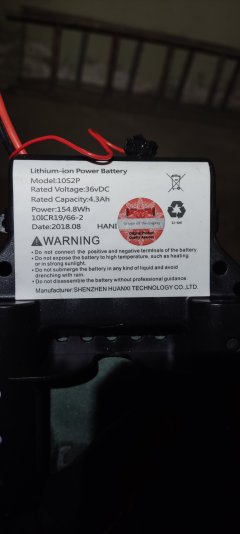
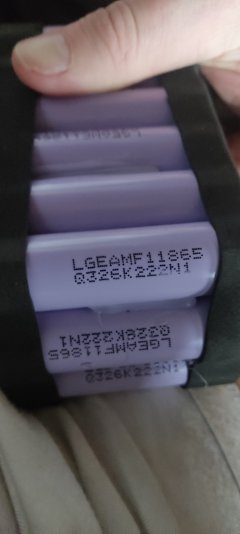
At a guess the HB packs can deliver a few amps; depends on the HB power. If the HB was say, 100W, and they're 36v, then the packs might handle four or five amps. If it was 350w, then perhaps 10A. The cells and BMS are probably not designed to supply much power. Check the controllers from the devices the packs came from to find out the limtiations they were expected to meet.
You can parallel them to proportionally increase the total power you get out, *but* if any pack shuts off all the others are now taking that load, and if the amount of power needed is more than those are designed for, they'll now be stressed or even damaged if they don't have protection against this.
One common failure mode of overloaded FETs is to short, to get stuck on, in which case the BMS now has silently failed in a way that prevents it from ever stopping discharge, regardless of reason, which prevents them from protecting the cells against damage that can lead to a fire.
So...before you use them, find out what they're designed to handle, and stay within those limits.
Also, there are different types of BMS that have different functional limitations when paralleling, so you may have to unparallel them for charging.
Alternately, find out what current and capacity the cells themselves are designed for, cut that in half to account for aging, etc., and then bundle enough packs together to handle more capacity and current than you'll ever need from them (to account for further aging as time goes on, which reduces their capacity and capability), remove the original BMSes, and install one designed to handle the load you will place on the battery pack.
Either way, what you need to do is the reverse of what you're trying: Define the complete job you need the system to do for you, under your specific riding conditions, then find out how much power you need to do that, then pick a system that can do that job. *Then* pick a battery that can power that system for the amoutn of range you need out of it, with plenty of extra capability to account for aging losses over time.