mdeaves
🧲 New user
I'm planning on building a remote control tracked carrier robot to help on our homestead. We will use it to carry materials, plow snow, zamboni the pond in the winter, power tools all over the site with 120 V auxilliary power, power a winch for pulling stumps, etc.
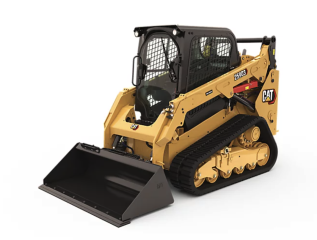
I'm thinking something like this,
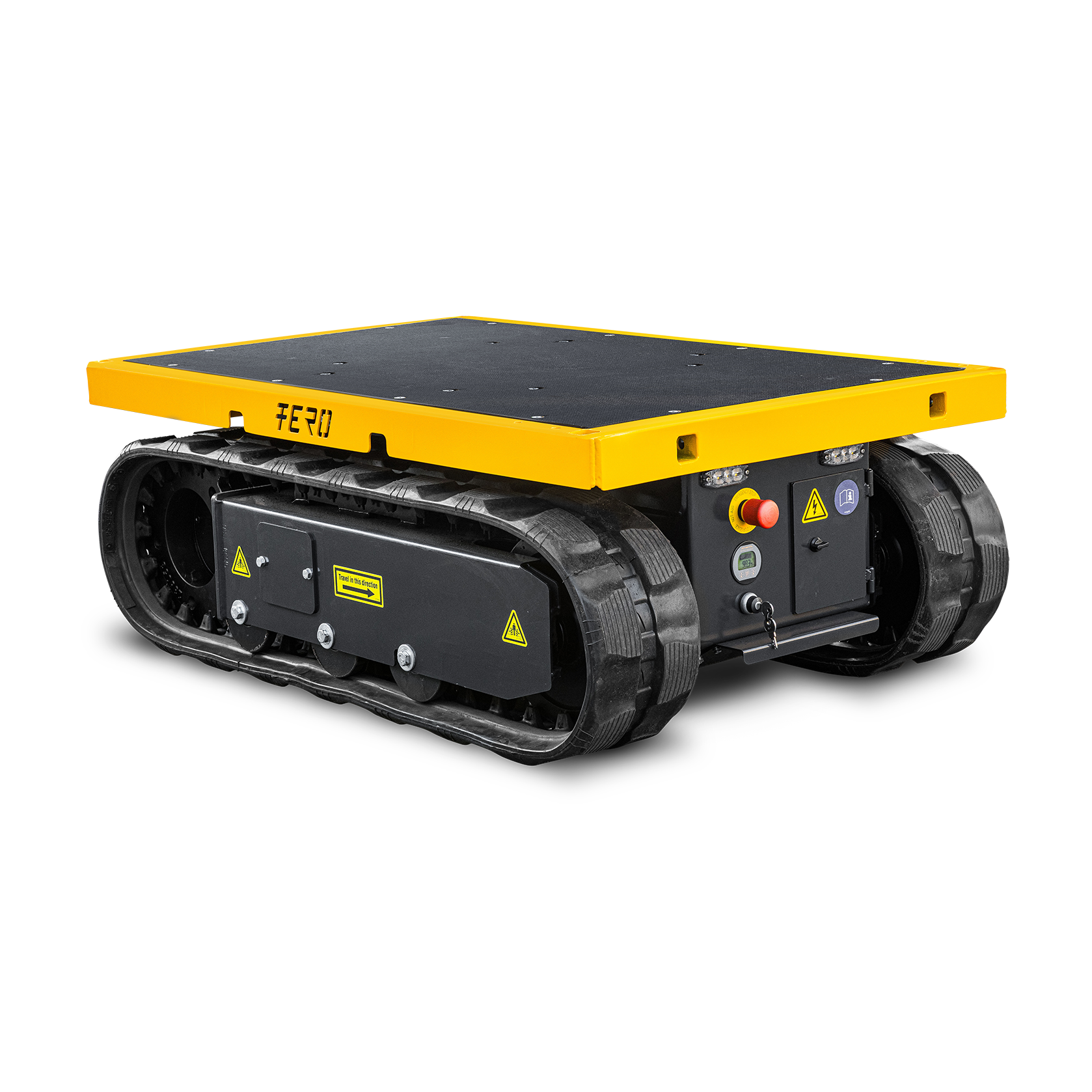
 www.ferocarrier.com
Here's my plan so far.
- 48V, 200 Ah, LiFePo4 batteries
- Dual hub motors, one on each track for tank turns
- 250 kg max payload capacity
- 200 kg unloaded mass
- Able to climb a max grade of 20%
- 6 km/hr top speed
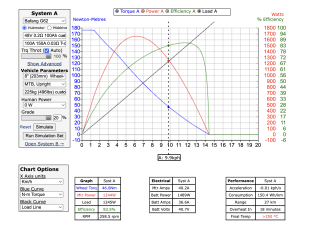
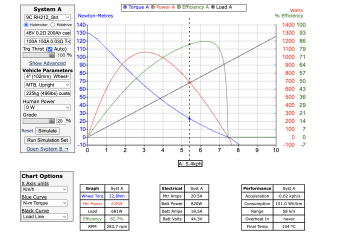
I was very surprised by how small the hub motors actually need to be. The simulator at ebikes.ca says that two RH212 hub motors will be able to climb a 20% grade, fully loaded (450 kg total weight, 225 kg per track), at 5.4 km/hr without breaking much of a sweat. Here i've set the track drive wheel diamter to 4", which seems reasonable.
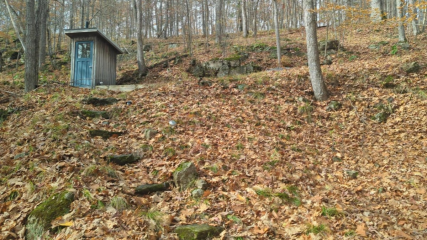
One thing I really need to consider is braking the tracks when the power is shut off for what ever reason, or just when the carrier is resting halfway up a hill. I really don't want this thing rolling down our hill, with 250 kg of bagged cement, completely out of control!
One of the main benefits of the hub motors is that it is easy to mount a brake disk to them, so the natural braking option is to use hydraulic brake calipers built for ebikes. They're already rated for use outdoors, are cheap and easy to find, and have great holding torque. The trick is making them normally on unless power is applied (fail safe). For this I plan on using a spring to hold the caliper on, and a hobby servo motor to relieve the spring force when the robot is commanded to move. I think that by adjusting the position of the servo so that it is near top dead center at the end of it's travel there won't be much servo torque needed to hold the brakes open. Hopefully this means I don't burn the servo motor with constant current when operating the robot.
My main question is about how I can control all of this? I know very little about how these motors are controlled, and I know even less about integrating servo control with hub motor control. I'd like to avoid any sort of custom coding if possible, but I can do a bit if necessary.
I'd also love for you all to give me a sanity check on my plan to make sure there are no large oversights.
My other main question is about sourcing or building the tracks, but we'll cross that bridge when we come to it.
Thanks so much for your help.
I'm thinking something like this,
Fero ETP-10 Electric Tracked Carrier | 1,000 kg carrying capacity
Fero ETP-10 is a remote-controlled tracked machine that makes transporting heavy materials more efficient and safer than ever.
www.ferocarrier.com
Here's my plan so far.
- 48V, 200 Ah, LiFePo4 batteries
- Dual hub motors, one on each track for tank turns
- 250 kg max payload capacity
- 200 kg unloaded mass
- Able to climb a max grade of 20%
- 6 km/hr top speed
I was very surprised by how small the hub motors actually need to be. The simulator at ebikes.ca says that two RH212 hub motors will be able to climb a 20% grade, fully loaded (450 kg total weight, 225 kg per track), at 5.4 km/hr without breaking much of a sweat. Here i've set the track drive wheel diamter to 4", which seems reasonable.
One thing I really need to consider is braking the tracks when the power is shut off for what ever reason, or just when the carrier is resting halfway up a hill. I really don't want this thing rolling down our hill, with 250 kg of bagged cement, completely out of control!
One of the main benefits of the hub motors is that it is easy to mount a brake disk to them, so the natural braking option is to use hydraulic brake calipers built for ebikes. They're already rated for use outdoors, are cheap and easy to find, and have great holding torque. The trick is making them normally on unless power is applied (fail safe). For this I plan on using a spring to hold the caliper on, and a hobby servo motor to relieve the spring force when the robot is commanded to move. I think that by adjusting the position of the servo so that it is near top dead center at the end of it's travel there won't be much servo torque needed to hold the brakes open. Hopefully this means I don't burn the servo motor with constant current when operating the robot.
My main question is about how I can control all of this? I know very little about how these motors are controlled, and I know even less about integrating servo control with hub motor control. I'd like to avoid any sort of custom coding if possible, but I can do a bit if necessary.
I'd also love for you all to give me a sanity check on my plan to make sure there are no large oversights.
My other main question is about sourcing or building the tracks, but we'll cross that bridge when we come to it.
Thanks so much for your help.