

-
Hello ES! We could use some help to get us past the finish line on building the new knowledgebase for the forum.
Can you donate? Please see our fundraising page. Thank you!
You are using an out of date browser. It may not display this or other websites correctly.
You should upgrade or use an alternative browser.
You should upgrade or use an alternative browser.
Tesla Cybertruck values plummeting
- Thread starter neptronix
- Start date

Apartunis
Regular
First, that is a zone and a zone is not a city.London did that 10+ yrs ago. Their “emissions free zone”,, .effectively excluding all but EVs and public transport from the CBD.
…Hows that worked out for them ??
Elecric cars are cars. That is like banning horse carts, but mule and donkey carts are okay. Also they did not repurpose the physical car infrastructure for better use. The results are predictable.
so what is the prediction?The results are predictable.
Apartunis
Regular
That is a myth. American cities were systematically destroyed first so they could be rebuilt for the use of cars rather than people. If they could do that metamorphosis then, we can do it again to fix the damage now.Too bad America is designed the opposite way due to the fact that we got the car early in our timeline.
Apartunis
Regular
If you do not fix the problem, the problem does not get fixed.so what is the prediction?
Depends on how you define the problem - i assume the goal was to reduce car emissions in the central part of the city. Then it becomes clear why they targeted ICE cars only, and not everything.
There are cars you need in the city - trucks for transporting stuff, maintenance cars, taxis etc, so i doubt you could remove all of it. But for sure central London could function well without private, personal cars. Outskirts not so much, the problem with public transport, even a good one, is that everything goes to the center, so if you need to travel to a neighboring place you'd need to take a train to the central station and back from there.
There are cars you need in the city - trucks for transporting stuff, maintenance cars, taxis etc, so i doubt you could remove all of it. But for sure central London could function well without private, personal cars. Outskirts not so much, the problem with public transport, even a good one, is that everything goes to the center, so if you need to travel to a neighboring place you'd need to take a train to the central station and back from there.
Apartunis
Regular
For sure it is a shame that people could not build or maintain or supply cities before cars came along.There are cars you need in the city - trucks for transporting stuff, maintenance cars, taxis etc, so i doubt you could remove all of it.
I am not buying it. We have a lot more technical resources now to have car free cities than we did when cities were car free. Or to be accurate, when cities were all city and not 40 percent city and 60 percent car sewer.
yooper2001
Established
The one thing hardest to replace is aircraft. My wife and son had to spend the night in Denver last night due to plane problems, so I won't see them till mid day today.
That is a myth. American cities were systematically destroyed first so they could be rebuilt for the use of cars rather than people. If they could do that metamorphosis then, we can do it again to fix the damage now.
Yea you just need to systematically destroy everything again and rebuild it with a population many multiples the size versus then.
Should be pretty easy. You just need to convince most people that destroying and rebuilding civilization is a good idea.
Or maybe take what they call 'direct action'


What's your plan for this vision?
Last edited:

Interesting. The value I placed on the truck plummeted 100% the moment I saw one.New video from Doug Demuro:
Values down 50% over a few years.
Tesla finding itself having to sell a good % of them to it's own companies
RunForTheHills
Regular
Space X went public this morning and Elon Musk is now the world's first trilionaire.
gromike
Power poster
Maybe the world's first trillionaire could deliver me one of those Cybertrucks.
My angle grinder talks to me whenever we see one.
My angle grinder talks to me whenever we see one.
Good for you but you are definitely in the minority as most just take the insurance company's offer and go looking for a replacement.That's how i got my car for ~50% off. Some one hit the rear end, producing minor, but ugly damage. Auto body place quoted insurance 10k, but that looked wrong to me. Insurance paid me 9k, i hired a little guy locally to fix it for 3k, and he did a great job actually.
Good for you but you are definitely in the minority as most just take the insurance company's offer and go looking for a replacement.
I bought my car pre-covid, anything new would have cost 50% more, and they also discontinued my car. So it's a keeper!
It was also very nice to have that $250/mo payment disappear.
offGridDownUnder
Power poster
Not to comment on what you are saying in your post, but to riff off the words.The one thing hardest to replace is aircraft.
The one hardest thing to replace is our desires. We can live differently, with different expectations. We can admit reality.
But we don't want to.

This is precisely what the Netherlands did starting in the 60s. It was extremely car-centric back then. A radical course correction was applied and executed, resulting in the result we have today. It's definitely possible technically, the main roadblock isn't viability, it's politics.Yea you just need to systematically destroy everything again and rebuild it with a population many multiples the size versus then.
Should be pretty easy.
This is precisely what the Netherlands did starting in the 60s. It was extremely car-centric back then. A radical course correction was applied and executed, resulting in the result we have today. It's definitely possible technically, the main roadblock isn't viability, it's politics.
Ah, this was during relatively early adoption of the car.
They already had a layout designed well before cars, and dense. So cars didn't fit, the same way they do in USA suburb/stroad hell.

In the USA, cars heavily influenced all our infrastructure; before that we were built for horses + buggies. bicycles never really took here.
I think the difference in disruption between an already compact versus a fluffy layout country would be pretty big today. You've got very high demolition and construction costs in front of you to achieve it.
Just move to one of the USA's big cities if this concerns you. Vote with your feet

Last edited:
RunForTheHills
Regular
It's not that easy or cheap to do these days:
$12.2 billion to extend BART 6 miles into San Jose. Won't finish until 2036.

 www.vta.org
$12.2 billion to extend BART 6 miles into San Jose. Won't finish until 2036.
Details of Cost and Schedule Changes for VTA's BART Project
VTA has been working diligently over the past 20 years to deliver the BART extension to Santa Clara County.
- Eminent Domain & Displacement Cases: VTA took local businesses to court to seize control of land required for future stations. The transit agency was involved in a jury trial with Monarch Truck Center, where a jury verdict ultimately determined the business was not owed further compensation. Similarly, Silicon Valley Granite faced an eviction and seizure of its $1.5M property without additional buyout payouts. [1, 2, 3]
- Accessibility Class Action: BART reached a comprehensive federal class-action settlement that mandates improvements to elevator networks, system cleanliness, and station accessibility. Full details of the Bay Area Rapid Transit District settlement provide guidelines for mobility disability access. [1, 2]
- Prior Major Lawsuits: In the planning phases of the South Bay extension, the San Jose Sharks (Sharks Sports & Entertainment) sued the VTA over concerns regarding SAP Center parking, traffic routing, and customer safety. [1, 2]
- Federal Contracts: VTA resolved an unapproved equipment lawsuit regarding the BART Silicon Valley extension, culminating in a quarter-million dollar settlement under the False Claims Act. [1]
They say talk is cheap, but not here.$12.2 billion to extend BART 6 miles into San Jose. Won't finish until 2036.
Voters were duped into funding $10 billion for a statewide high speed rail system, with the seed money going towards a 220 mile direct route from LA to SF. 15 years after that, when the first route should have been completed, all the money was spent without doing any actual physical work; they just paid themselves to talk about it. The budget to do the whole state, 800 miles, was $33 billion, but now they're saying $100 billion for just the LA to SF piece.
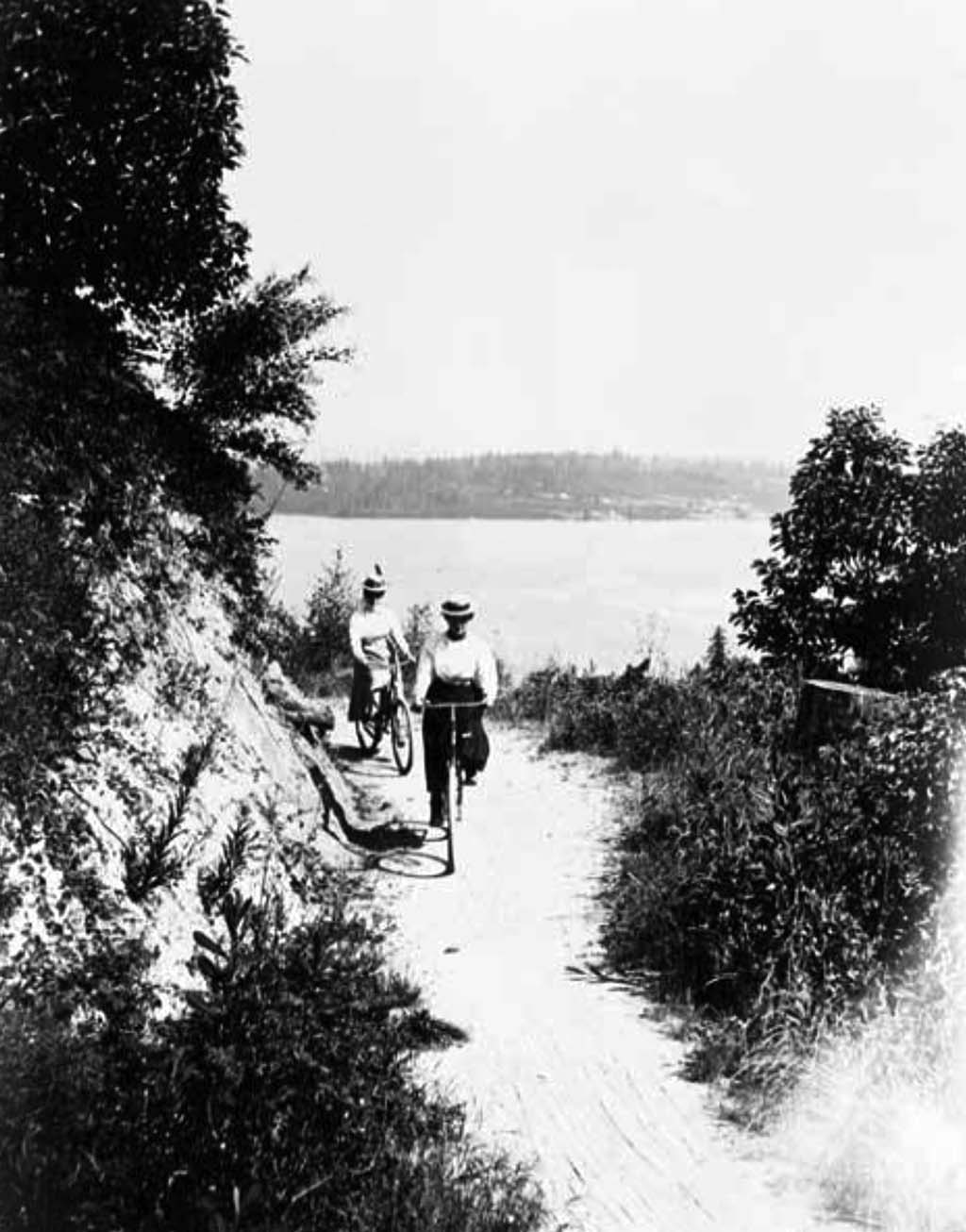
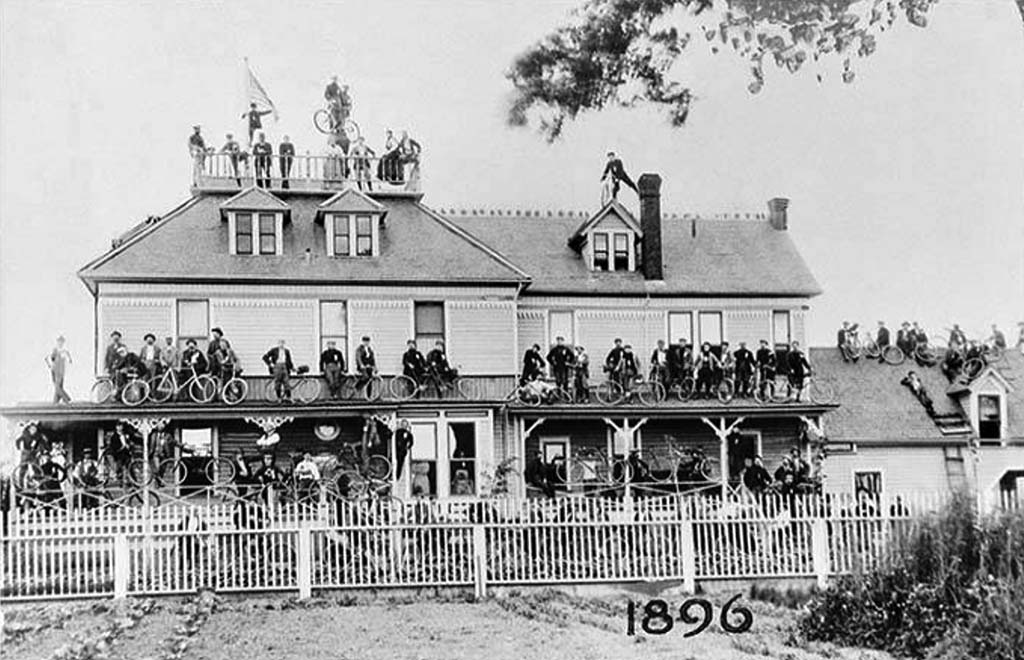
Not entirely true. In my area bicycling was booming in the late 1800s- early 1900s. Over 12% of the population rode bikes. The area's first improved roads were created for bicyclists at the insistence of the bicycle clubs at the time.In the USA, cars heavily influenced all our infrastructure; before that we were built for horses + buggies. bicycles never really took here.
Last edited:
Apartunis
Regular
Not entirely true. In my area bicycling was booming in the late 1800s- early 1900s. Over 12% of the population rode bikes. The area's first improved roads were created for bicyclists at the insistence of the bicycle clubs at the time.
Good Roads Movement - Wikipedia.
We had walkable cities that were newer but just as functional as those in Europe. They were scraped for freeways and parking lots. Those things popped up in green fields in post WWII suburbia, but before the car ruined everything we had world class metropolises that were demolished into compliance.
Similar threads

- Replies
- 7
- Views
- 2,622
- Replies
- 18
- Views
- 1,255

- Replies
- 14
- Views
- 1,231

- Replies
- 29
- Views
- 1,097
- Replies
- 8
- Views
- 1,757