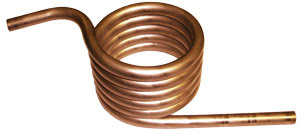

Read it all!
I'm wondering if this is really an issue in my instance. Inside the motor, there's no movement, and the heat pipe would be tucked into a metal channel that already exists in the motor. Given that the case is made of magnesium, i imagine it is not flexy, but even if it were, i could add some support to the case and eliminate the flex.
I don't know, i think there's a lot of good prior art in the computer world, and that's well documented and a good starting point.
I'm willing to run a small chance of killing a fairly expensive motor in the name of finding another 100-200w on a stator that is otherwise quite efficient and only needs a little help thermally.
Here's the best options so far:
Marginal gains zone:
- copper heatsink extensions
- create air channel
- create additional thermal bridge to frame
^-- in concert, might not be effective enough
Another downside to heatpipes is that they are typically designed such to prioritize surface area, which can come at the cost of strength. So they're not nessicarily ideal for use within a motor enclosure of a moving vehicle.
I'm wondering if this is really an issue in my instance. Inside the motor, there's no movement, and the heat pipe would be tucked into a metal channel that already exists in the motor. Given that the case is made of magnesium, i imagine it is not flexy, but even if it were, i could add some support to the case and eliminate the flex.
It is my personal opinion that liquid cooling e-bike motors is over-complicated and risky, and thus not for most people. You're bound to have a terrible, destructive failure or two along the way and one must be ready for it. But it can, of course, be fun and rewarding. And this forum is very DIY heavy, and so I don't want to discourage anybody who is down for an adventure.
I don't know, i think there's a lot of good prior art in the computer world, and that's well documented and a good starting point.
I'm willing to run a small chance of killing a fairly expensive motor in the name of finding another 100-200w on a stator that is otherwise quite efficient and only needs a little help thermally.
Here's the best options so far:
| Technique | Projected efficacy | Motor Safety factor | Downsides |
| Affix water block externally to hotspot | Medium to High | High | Added complexity: Now need voltage convertor, pump, radiator, tubes |
| Stick bent heat tube in stator channel + big heatsink bolted on outside w/brace + high end thermal glue | Low, but boost to thermal mass in weak spot extends time to overheat a bit | Medium | Technically, we have liquid in the motor |
| Drill channels in key areas in case, tap for water outlets, run water through network of channels | Very High | Medium | Most complex, hardware and time wise; could damage integrity of motor case because it doesn't have much extra metal to begin with. Unnecessary amount of cooling - effective well beyond mechanical limits |
Marginal gains zone:
- copper heatsink extensions
- create air channel
- create additional thermal bridge to frame
^-- in concert, might not be effective enough
Last edited: